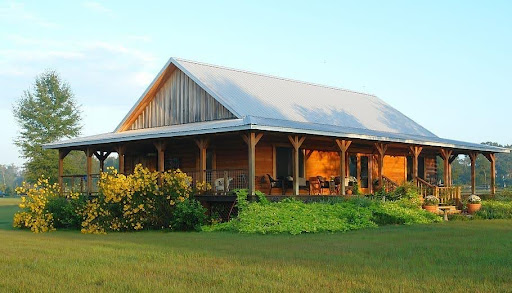
A well-designed home often reveals its quality in the details. While structural integrity is essential, it is the finishing elements—the textures, joints, and materials—that define how a space feels and functions. Woodwork plays a central role in this process, offering a balance between durability and visual warmth that few materials can match.
As homeowners and builders continue to seek more personalized and lasting solutions, woodwork has become a defining feature in modern construction. Its adaptability allows it to serve both structural and decorative purposes, making it a cornerstone of thoughtful home design.
The Role of Woodwork in Modern Homes
Woodwork extends beyond basic construction. It includes everything from framing and flooring to cabinetry and custom features. This wide range of applications allows it to influence both the structure and the character of a home.
Research and industry insights, such as those found in forestry and wood science publications, emphasize the importance of understanding how different types of wood perform in various conditions. These findings help builders make informed decisions that improve both durability and efficiency.
By applying this knowledge, woodwork becomes more than a finishing touch—it becomes an integral part of a home’s overall performance.
Why Woodwork Remains Essential in Construction
Strength Paired with Flexibility
Wood offers a unique combination of strength and flexibility, allowing it to support structural demands while adapting to different design requirements. This makes it suitable for a wide range of projects, from traditional builds to contemporary designs.
Its natural properties also make it easier to modify compared to more rigid materials. Builders can shape and adjust wood to fit specific needs without compromising its integrity.
Enhancing Comfort and Aesthetics
Beyond its structural benefits, woodwork contributes to the overall atmosphere of a home. Its natural textures and tones create a sense of warmth that enhances interior spaces. This is particularly important in modern homes, where clean lines and minimalism can sometimes feel impersonal.
By incorporating wood into key elements, designers can create spaces that feel more inviting and balanced. This connection between material and experience is a defining feature of high-quality homes.
Working with Skilled Woodwork Professionals
The quality of woodwork depends heavily on the expertise behind it. Skilled professionals understand how to select the right materials, execute precise cuts, and ensure that each component fits seamlessly into the overall design.
Collaborating with specialists known for woodwork from Tar River Timber Works provides access to a level of craftsmanship that enhances both durability and visual appeal. Their approach focuses on aligning technical precision with design intent, ensuring that each detail contributes to the final result.
This level of expertise helps prevent common issues such as misalignment or uneven finishes, resulting in a more refined and reliable build.
Integrating Woodwork into Home Improvement Projects
Woodwork is not limited to new construction—it plays a significant role in home improvement projects as well. Whether updating a single room or renovating an entire property, wood elements can add both functionality and style.
For homeowners exploring new ideas, this guide to home improvement projects highlights practical ways to enhance living spaces. Incorporating woodwork into these projects can elevate the overall design while maintaining a cohesive look.
From custom shelving to upgraded flooring, woodwork offers solutions that are both practical and visually appealing.
Balancing Durability and Maintenance
One of the key advantages of woodwork is its longevity when properly maintained. With the right treatments and care, wood can withstand years of use without losing its structural integrity or visual appeal. This makes it a reliable choice for both interior and exterior applications.
Regular maintenance, such as sealing and protecting against moisture, helps preserve the material’s performance. These steps ensure that woodwork continues to function as intended while maintaining its appearance.
By investing in quality materials and proper care, homeowners can enjoy long-lasting results that add value to their property.
The Future of Woodwork in Home Design
As construction techniques continue to evolve, woodwork remains a constant presence in home design. Advances in engineered wood products and finishing techniques are expanding the possibilities for how wood can be used. These innovations allow for more intricate designs and improved performance.
At the same time, there is a growing emphasis on sustainability. Wood, when sourced responsibly, supports environmentally conscious building practices. This aligns with the broader trend toward creating homes that are both efficient and sustainable.
By combining traditional craftsmanship with modern innovations, woodwork continues to adapt to the changing needs of homeowners and builders.
Conclusion
Woodwork plays a vital role in shaping homes that are both durable and inviting. Its ability to combine structural strength with aesthetic appeal makes it an essential element in modern construction and design.
Through skilled craftsmanship and thoughtful integration, woodwork transforms spaces into environments that feel cohesive and well-crafted. As building practices continue to evolve, its importance remains clear—offering a reliable foundation for homes that stand the test of time.